Portuguese Way
Request a quote!The Portuguese Way
The Portuguese Way is a beautiful Jacobean route that connects Portugal with Santiago de Compostela. With approximately 610 kilometers from Lisbon or 240 kilometers from Porto, this historical route passes through lovely Portuguese cities before crossing the border into Galicia, Spain.
This route, which was used by Portuguese kings and nobles for centuries, offers a journey full of cultural wealth, historical monuments, delicious gastronomy and spectacular landscapes that combine the Atlantic coast with green valleys and vineyards of northern Portugal and Galicia.
Featured Routes
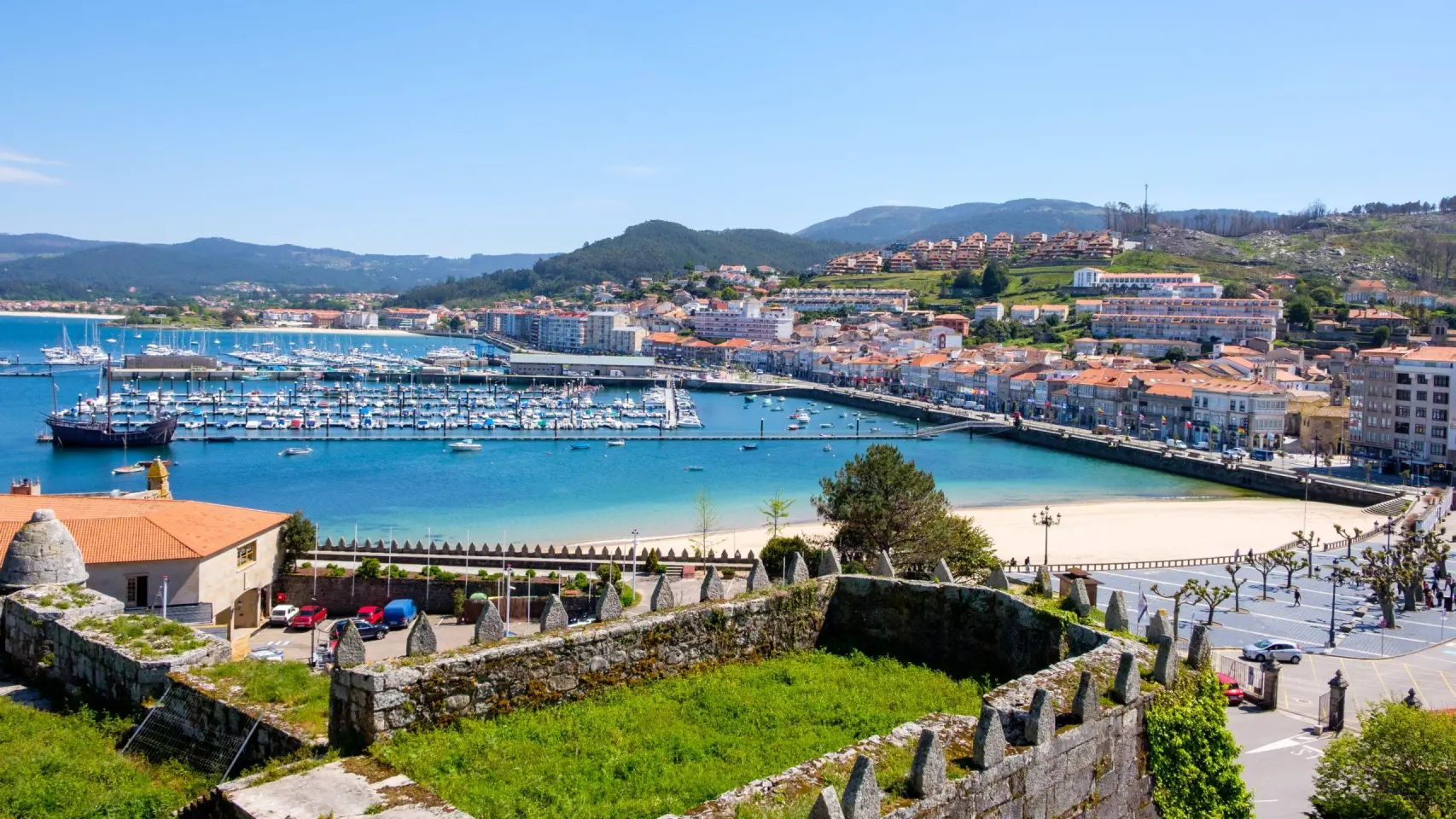
Portuguese Coastal Way from Baiona to Santiago
Coastal Route
An alternative to the central route that follows the Portuguese and Galician Atlantic coast, offering impressive views of the ocean, beaches and coastal towns. It joins the central route in Redondela to continue to Santiago.
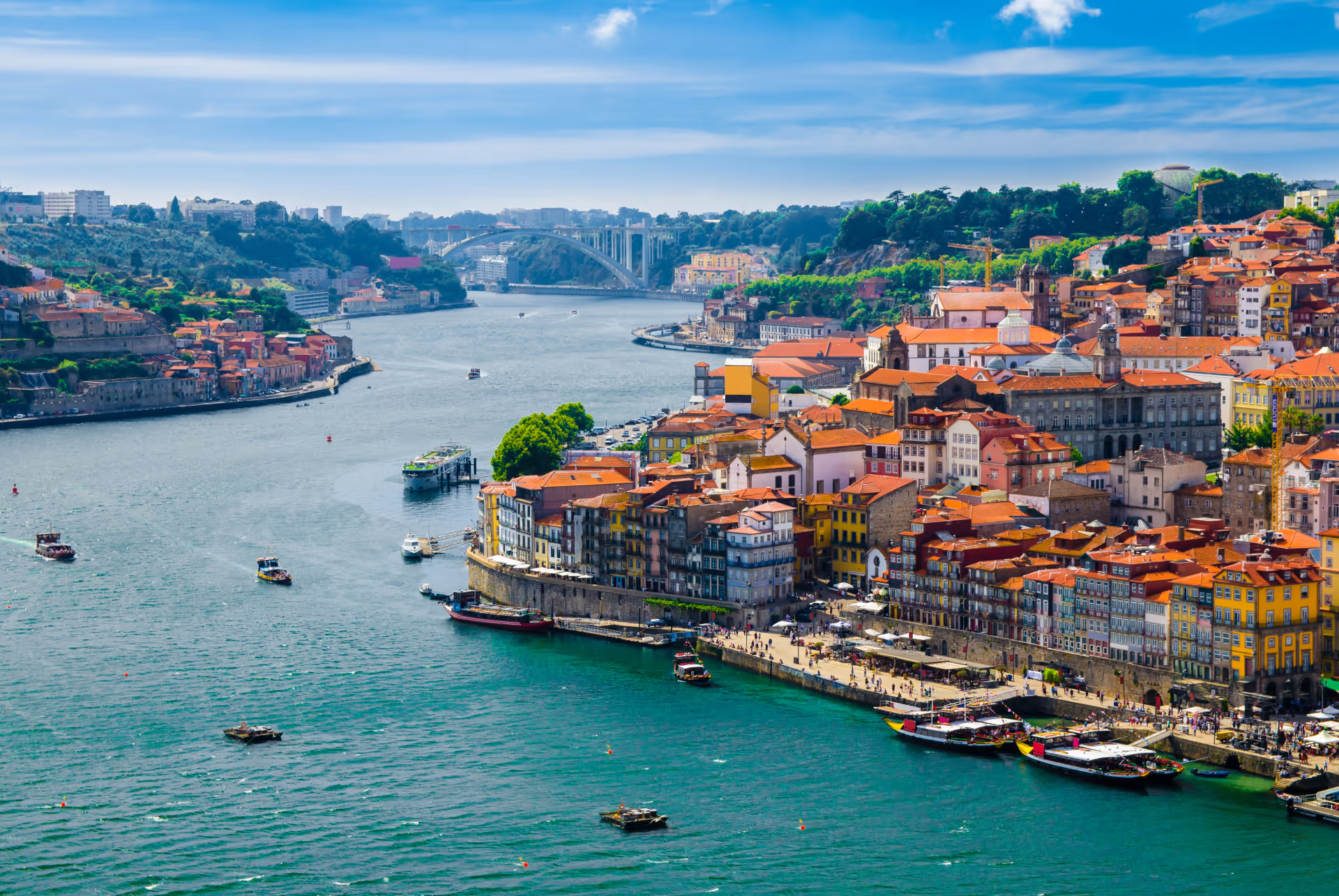
Portuguese Coastal Way from Porto to Baiona
Coastal Route
This variant covers the stretch from Oporto to Baiona along the Atlantic coast, offering spectacular ocean views, beaches, and charming coastal towns before joining the central route in Redondela towards Santiago.
All sections of the Portuguese road
On the Portuguese Way, you can choose different routes and starting points according to your preferences and available time.
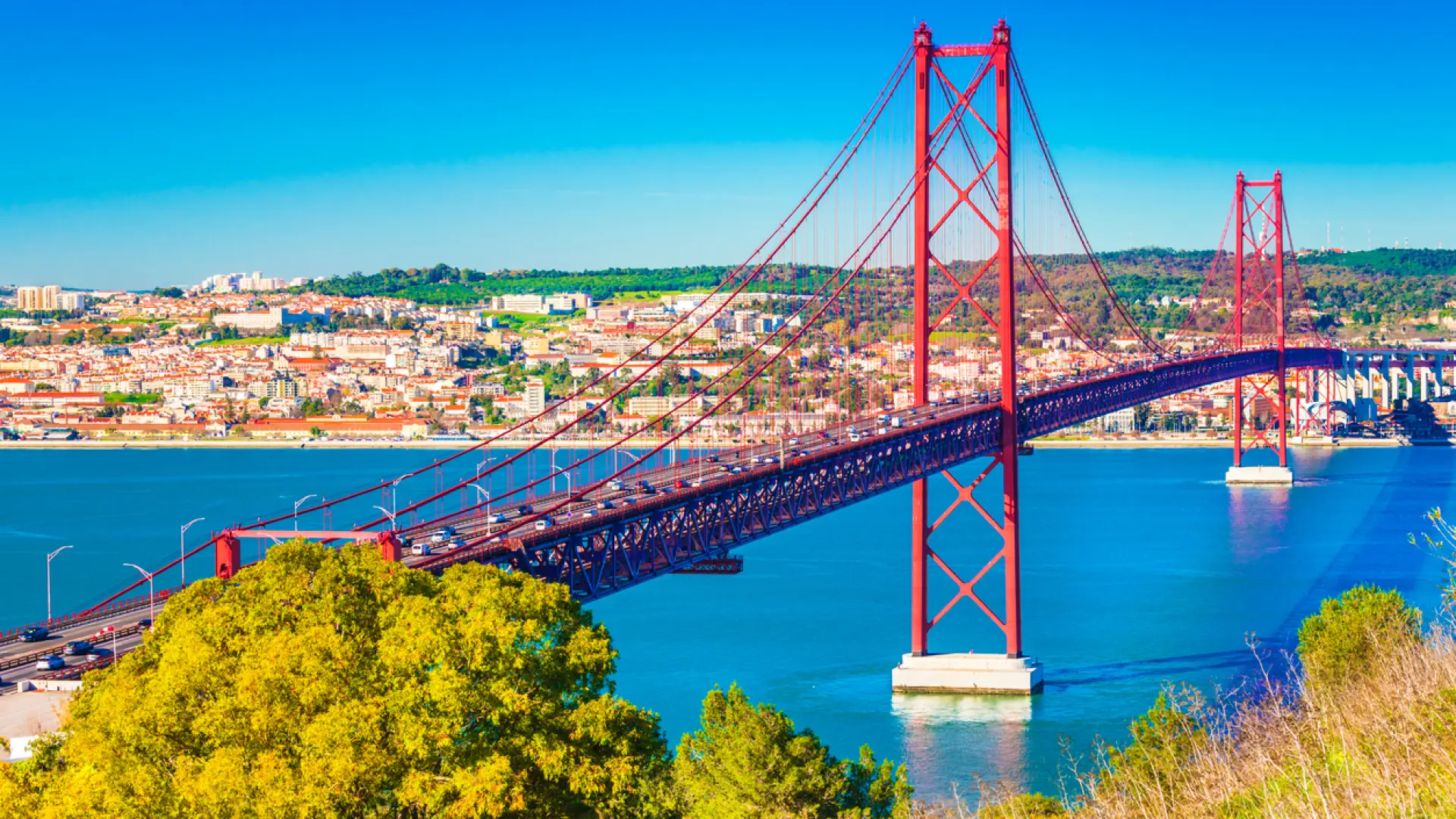
Portuguese Way from Lisbon to Santarém
85 km from the vibrant capital Lisbon to Santarém, crossing the Tagus valley and charming Portuguese towns on the first section of the Portuguese Way.
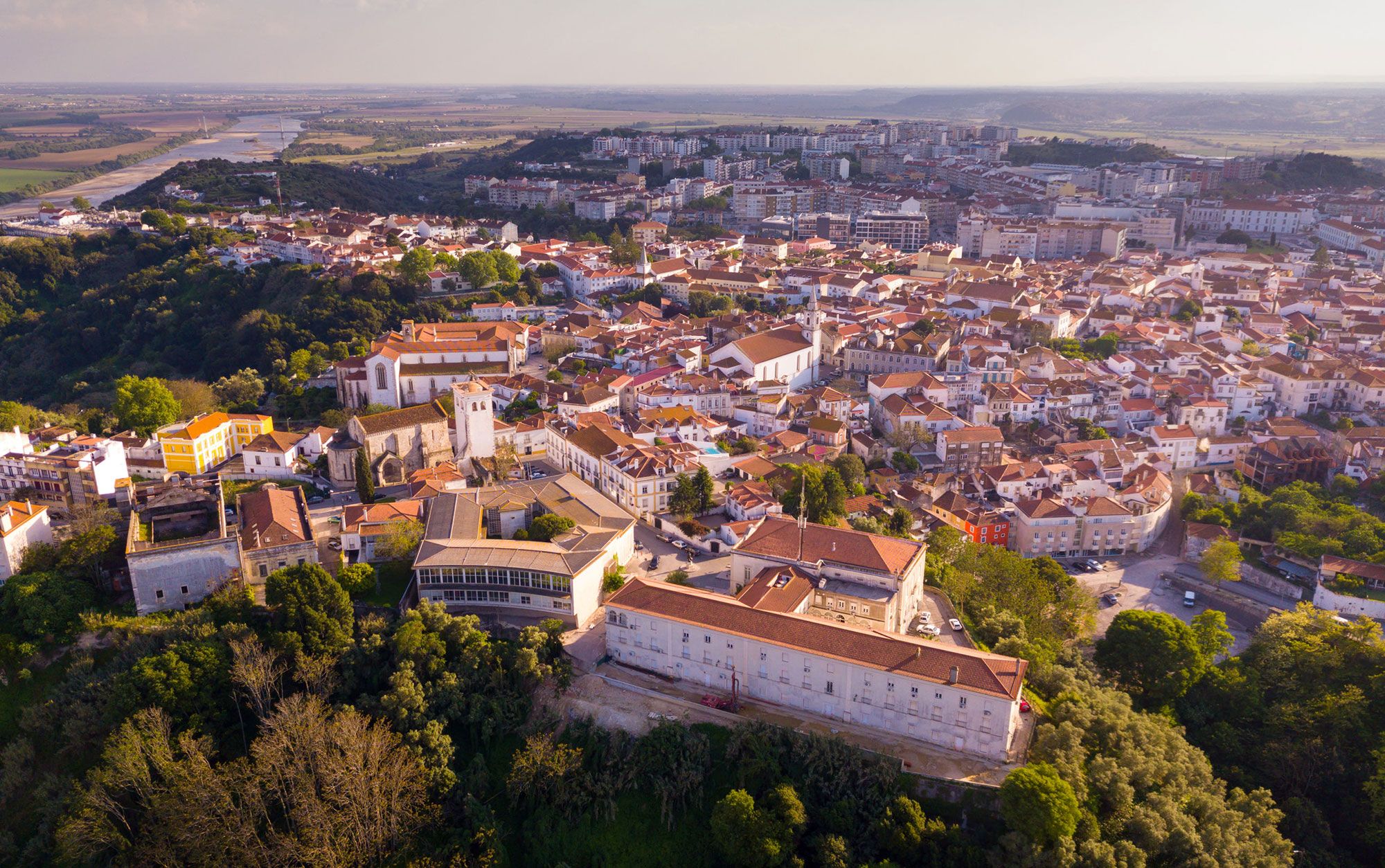
Portuguese Way from Santarém to Coimbra
134 km from Santarém to Coimbra, crossing charming villages, fertile valleys and historic towns along the heart of Portugal.
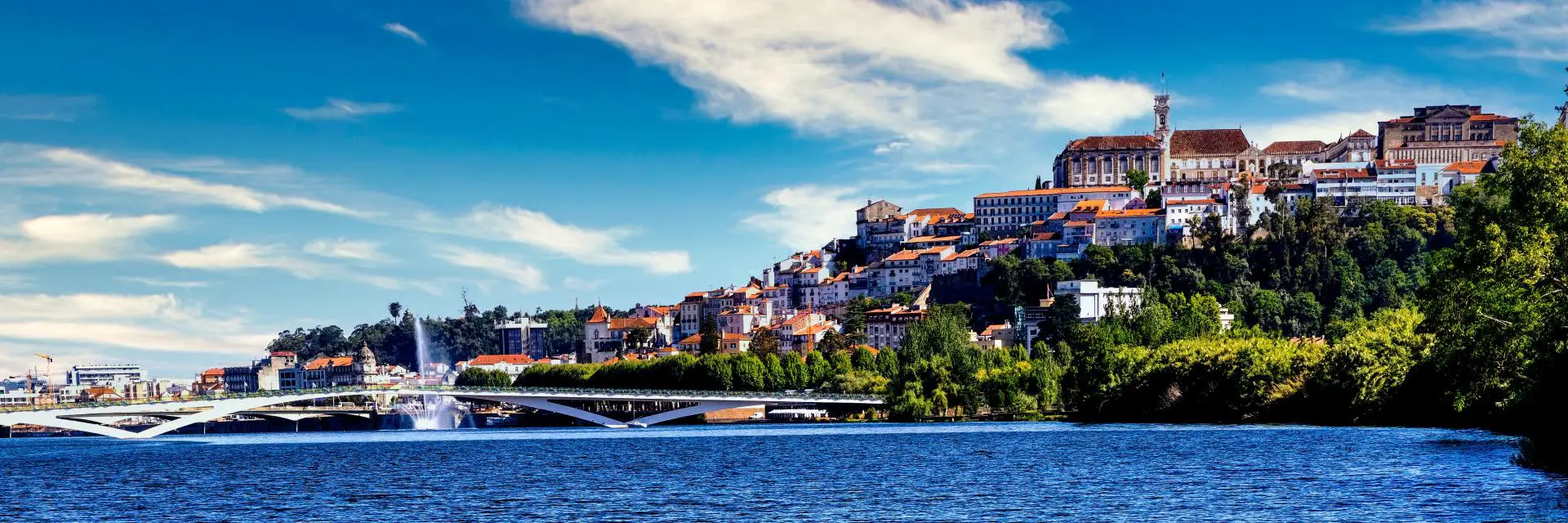
Portuguese Way from Coimbra to Porto
From Coimbra to Porto, 116 km through charming Portuguese villages, green valleys, and historic cities until reaching the emblematic cities.
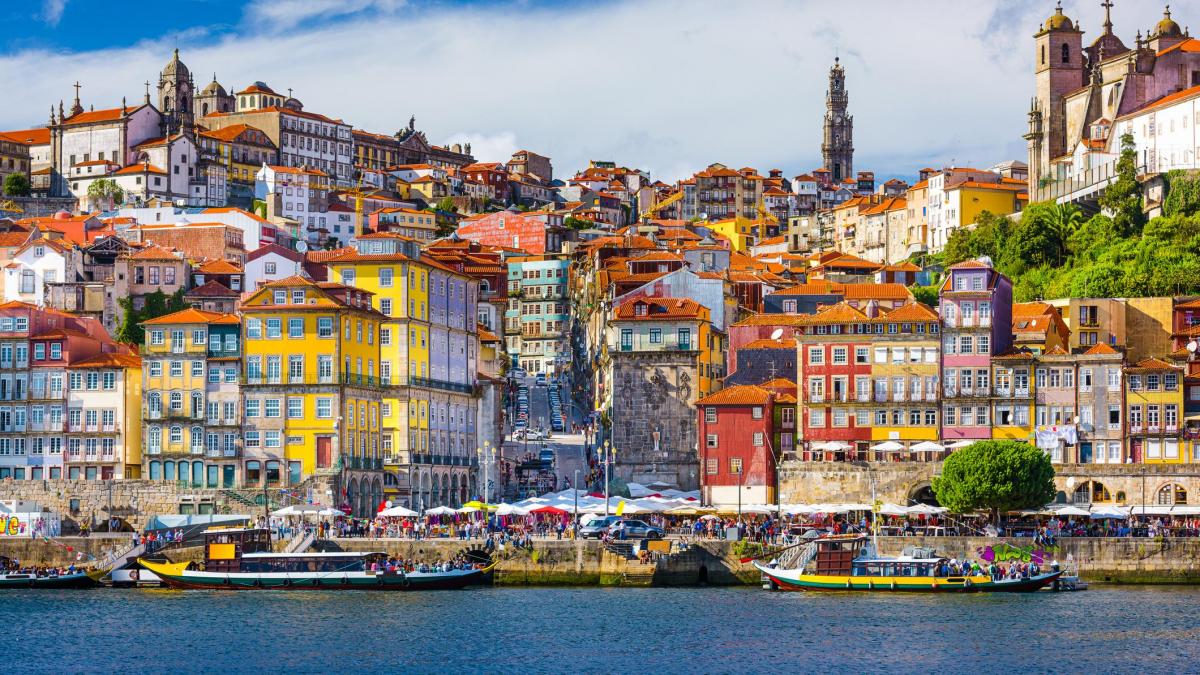
Portuguese Way from Porto to Tui
125 km from Porto to Tui, a beautiful journey along the Atlantic coast and through lush vineyards, combining charming towns and stunning landscapes.
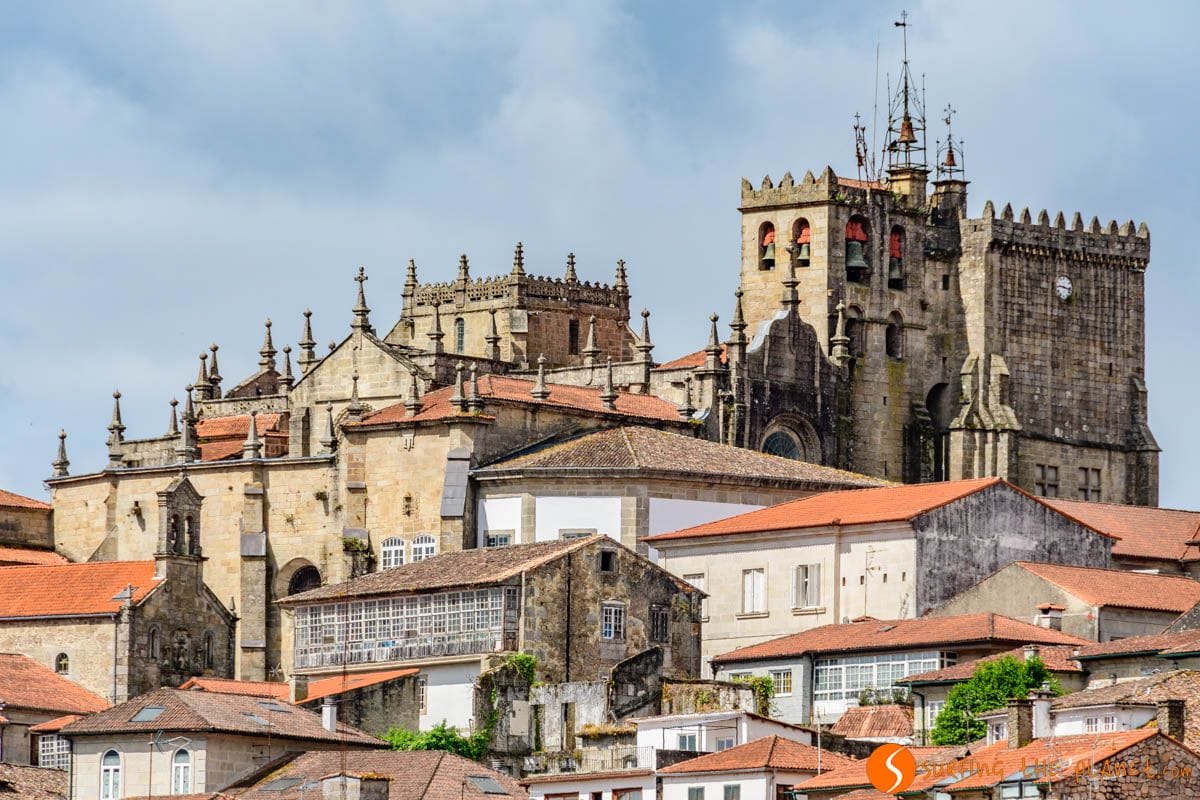
Portuguese Way From Tui to Santiago
From Tui to Santiago, 120 km along the final stretch to obtain the Compostela, crossing beautiful Galician landscapes.


The Portuguese Way is a hidden gem, with unique landscapes and culture. Highly recommended.
The French Way taught me the value of perseverance and friendship. A unique experience.
Finisterre is a sacred place, the energy there is palpable and fills you with peace. A perfect ending.
Doing the Portuguese Way was one of the best experiences of my life. From the first day, I was surprised by the beauty of the coast, the green landscapes, and the tranquility of the villages I passed through. The kindness of the locals and other pilgrims made each stage special, and I felt accompanied at all times. The accommodations and services were always up to par, and each day ended with a sense of achievement and gratitude. Without a doubt, I would repeat this adventure and recommend it to anyone looking for an authentic and transformative experience on the Camino de Santiago.
The Portuguese Way was a peaceful and beautiful route. Good Way Santiago made everything easy and pleasant.
The French Way is a route full of history and landscapes. Spain recommends living this experience.
The Portuguese Way is a charming route, with its coastal landscapes and relaxed atmosphere.
Walking the Portuguese Way with Good Way Santiago was an exceptional experience. Everything was perfectly organized, the team always attentive and the accommodations very comfortable. I recommend hiring them to enjoy the Camino without worries and live an unforgettable adventure.
The Portuguese Way was perfect for me. The locals are very friendly and the rural paths are simply beautiful.
The Portuguese Way is ideal for those seeking tranquility and coastal beauty. I loved it.
Arriving in Finisterre was magical, I felt a deep peace and a connection with nature.
The Portuguese Way was a great adventure. Good Way Santiago made the whole process easy and the accommodations were comfortable. I would travel with them again without hesitation.
The Portuguese Way was a peaceful and beautiful route. Good Way Santiago made everything easy and pleasant.
The Portuguese Way has something special. The people are very friendly and the landscapes are beautiful.
Doing the Camino de Santiago by bike was a unique experience. Each stage was a challenge and an adventure, enjoying incredible landscapes and the freedom to pedal at my own pace. Highly recommended for bike lovers!
The French Way was a spiritual and self-discovery experience. Mongolia recommends this trip.
We chose the Portuguese Way organized by Good Way Santiago and it was a wonderful experience. Thanks to their 24h assistance service, my wife received immediate help and everything went well. Very grateful for the attention and professionalism.
The Portuguese Way was a route full of charm. Good Way Santiago took care of the details and I was able to enjoy without worries.
The Portuguese Way is so beautiful that even the cows greet you. And the pastéis de nata gave me energy to reach Santiago dancing!
Finisterre is a sacred and mystical place, perfect for final reflection. Pure peace.
The French Way allowed me to meet people from all over the world. Kyrgyzstan recommends the experience.
The Portuguese Way is ideal for those seeking tranquility and coastal beauty. I enjoyed it a lot.
The Portuguese Way is a charming route, with beautiful landscapes and very friendly people. I learned that true wealth is in the small moments and in the smiles shared with strangers.
The Portuguese Way is a peaceful route with a special charm. Ideal for reflecting and reconnecting with oneself. I learned that the real journey is the one we make within ourselves.
The Portuguese Way was a route full of charm. Good Way Santiago took care of the details and I was able to enjoy without worries.
The Portuguese Way was a wonderful experience. The landscapes, the tranquility, and the hospitality of the people made each stage special. I recommend this route to everyone looking for peace and natural beauty.
The Portuguese Way was a very positive experience. Good Way Santiago took care of the details and I was able to relax and enjoy.
I did the Portuguese Way with friends, organized with Good Way Santiago, and it was an unforgettable experience. Everything was perfectly organized and we enjoyed each stage together. Highly recommended!
Finisterre is the perfect ending for an unforgettable adventure. I recommend the experience.
Finisterre is the perfect place to end the Camino, a magical and emotional experience.
The French Way was a spiritual and cultural experience. North Macedonia recommends this trip.
I did the Portuguese Way organized by Good Way Santiago and it was a very comfortable experience. The luggage transport on all stages allowed me to enjoy the Camino without worries and focus on living every moment. Totally recommended for those seeking comfort and enjoyment!
Finisterre gave me an inner peace I will never forget. The sea at the end is impressive.
The Portuguese Way is ideal for those seeking tranquility and authentic landscapes. I loved it.
The Portuguese Way is a spiritual route full of natural beauty. Unmissable for the soul.
The end of the world in Finisterre, a place to feel the immensity of the ocean and freedom. Magical.
I did the Camino de Santiago from Tui on the Portuguese route and it was a wonderful experience. The landscapes, the tranquility, and the hospitality of the people made each stage special. Highly recommended for those looking for an authentic and charming route.
The French Way was a spiritual and cultural experience. Serbia recommends this trip.
Doing the Camino by bike was challenging but very rewarding. I recommend it!
The Portuguese Way is perfect to disconnect and enjoy nature. Very peaceful.
The Portuguese Way was a very positive experience. Good Way Santiago took care of the details and I was able to relax and enjoy.
The Portuguese Way was a very positive experience. Good Way Santiago took care of the details and I was able to relax and enjoy.
The Portuguese Way is an ideal route for those seeking tranquility and beauty. A true treasure.
Finisterre is a magical place, the perfect ending for an unforgettable adventure. Latvia recommends the experience.
The Portuguese Way was a peaceful and beautiful route. Good Way Santiago made everything easy and the trip was very pleasant.
The Portuguese Way with Good Way Santiago was an inspiring experience. Each stage was full of support, impeccable organization, and moments of authentic connection with nature and myself. I recommend experiencing it with them!
The end of the world in Finisterre, a place to feel the immensity of the ocean and freedom. Magical.
Finisterre is a magical place to finish the Camino. Bhutan recommends the experience.
The Portuguese Way was a very positive experience. Good Way Santiago took care of the details and I was able to relax and enjoy.
The Portuguese Way is an ideal route to relax and enjoy the scenery. I definitely recommend it.
The Portuguese Way was a peaceful and beautiful route. Good Way Santiago made everything easy and the trip was very pleasant.
The Portuguese Way with Good Way Santiago was a fantastic experience. The team's attention and support made the trip unforgettable.
We did the Portuguese Way from Santarém to Coimbra and it was a wonderful experience. The rural landscapes, the tranquility of the route, and the authenticity of the villages made each stage special. Highly recommended for those looking for a less traveled and charming route.
The French Way is a spiritual and cultural adventure. I learned a lot about myself and about Europe.
Finisterre is the perfect ending for a pilgrimage full of emotions and new friends.
Finisterre is the perfect place to end the Camino, a magical and emotional experience.
The Portuguese Way was a peaceful and beautiful route. Good Way Santiago made everything easy and pleasant.
The Portuguese Way is perfect to disconnect and enjoy nature. Very peaceful and beautiful.
The Portuguese Way was a peaceful and beautiful route. Good Way Santiago made everything easy and pleasant.
The Portuguese Way was a peaceful and beautiful route. Good Way Santiago made everything easy and the trip was very pleasant.
The Portuguese Way gave me moments of peace and deep connection with nature and myself. Every step was a lesson in humility and hope.
Finisterre is a sacred and mystical place, perfect for final reflection. Pure peace.
The Portuguese Way was a very positive experience. Good Way Santiago took care of the details and I was able to relax and enjoy.
The Portuguese Way is a route with soul, full of hospitality and breathtaking landscapes.
The Portuguese Way is a route full of charm and pleasant surprises. Totally recommended!
The Portuguese Way pleasantly surprised me. The route is peaceful, full of nature and culture. The local hospitality and the beauty of the landscapes made each day unique. Highly recommended!
The Portuguese Way is a peaceful route full of history. I enjoyed every moment.
The Portuguese Way is an ideal route for beginners and experienced pilgrims, with lots of charm.
The Portuguese Way was a peaceful and beautiful route. Good Way Santiago made everything easy and the trip was very pleasant.
The Portuguese Way is a very beautiful and accessible route for everyone. I loved the experience.
The Portuguese Way offered me varied landscapes and a fascinating culture. The food is delicious and the people are very friendly. A journey for the soul.
The French Way is a transformative experience. Latvia recommends doing it at least once.
The Portuguese Way is ideal for a peaceful trip full of discoveries. I recommend it.
The French Way was an unforgettable experience. France recommends this trip to all adventurers.
The French Way was a transformative experience. Nature and culture fascinated me.
The end of the world in Finisterre, a place to feel the immensity of the ocean and freedom. Magical.
Finisterre is a magical place to finish the Camino. Greece recommends the experience.
Finisterre is a sacred and mystical place, perfect for final reflection. Pure peace.
The Portuguese Way was a peaceful and beautiful route. Good Way Santiago made everything easy and the trip was very pleasant.
The Portuguese Way is so peaceful that even the snails overtook me. Perfect for selfies and naps under the trees!
The Portuguese Way was a route full of charm. Good Way Santiago took care of the details and I was able to enjoy without worries.
The Portuguese Way pleasantly surprised me with its tranquility and natural beauty. Ideal for disconnecting.
Finisterre is the perfect place to end the Camino, a magical and emotional experience.
The Portuguese Way was a peaceful and beautiful route. Good Way Santiago made everything easy and pleasant.
The Portuguese Way is a route full of charm and pleasant surprises. A true gem.
The Portuguese Way surprised me with its authenticity and beauty. A peaceful and charming route.
I did the Portuguese Way from Porto to Tui and it was a wonderful experience. The landscapes, the hospitality, and the tranquility of the route made it unforgettable.
The Portuguese Way is a charming route, with stunning coastal landscapes. A gem.
The Portuguese Way is ideal for those seeking adventure and tranquility. I recommend it.
Finisterre is a sacred place, the energy there is palpable and fills you with peace. A perfect ending.
The French Way taught me the value of perseverance and friendship. A unique experience.
The Portuguese Way was a route full of charm. Good Way Santiago took care of the details and I was able to enjoy without worries.
The Portuguese Way was a journey of self-discovery. Nature, history, and people made this trip very special.
The Portuguese Way was a route full of charm. Good Way Santiago took care of the details and I was able to enjoy without worries.
The views on the Portuguese Way are spectacular, a gem to discover and enjoy.
The Portuguese Way is a gem to discover, with its rural charm and sea views.
The French Way taught me the value of perseverance and friendship. Croatia recommends doing it.
The Portuguese Way is a spiritual route full of natural beauty. Unmissable.
The Portuguese Way is ideal for those seeking tranquility and authentic landscapes. And for those who want to eat pastel de nata without guilt!
The Portuguese Way is a hidden gem. Its landscapes and the hospitality of the people are incredible.
The French Way allowed me to discover Spanish hospitality and unique landscapes. An unforgettable experience.
The Portuguese Way is a gem. The warmth of the people and the natural beauty of the route made every step worthwhile.
The Portuguese Way is a charming route full of special moments. Every step taught me to value the present and trust the path.
The Portuguese Way is a peaceful journey full of natural beauty. I learned that inner peace is found in every step and in every landscape the Camino gives us.
The Portuguese Way is ideal for those seeking tranquility and beauty. I enjoyed every moment.
The Portuguese Way was a very positive experience. Good Way Santiago took care of the details and I was able to relax and enjoy.
The Portuguese Way was a peaceful and beautiful route. Good Way Santiago made everything easy and pleasant.
The Portuguese Way pleasantly surprised me, with its history and charming landscapes.
Finisterre is a sacred place, the energy there is palpable and fills you with peace. A perfect ending.
Finisterre is a magical place, the perfect ending for an unforgettable adventure. Belarus recommends the experience.
The Portuguese Way: An unforgettable tour
The Portuguese route is a beautiful Jacobean route that connects Portugal with Santiago de Compostela. With approximately 610 kilometers from Lisbon or 240 kilometers from Porto, this historical route crosses lovely Portuguese cities before crossing the border into Galicia, Spain.
This route, which was used by Portuguese kings and nobles for centuries, offers a tour full of cultural wealth, historical monuments, delicious gastronomy and spectacular landscapes that combine the Atlantic coast with the green valleys and vineyards of northern Portugal and Galicia.
Why choose the Portuguese route
The Portuguese Way is the second most popular route after the French Way, but remains less crowded, allowing you to enjoy a quieter experience. Some of the advantages of this route are:
- Perfect balance: Good balance between the number of pilgrims and the accessibility of the route.
- Diversity of options: You can choose between the inner route or the variant on the coast, which will allow you to live a more personalized experience.
- Excellent infrastructure: Especially in the Spanish part, which facilitates the organization of the trip and ensures a good level of services.
- Spectacular landscapes: Highlighting forests, rivers and green areas, ideal for nature lovers.
- Low level of difficulty: With routes suitable for beginners or people who prefer a less demanding tour.
Portuguese Way route
The Portuguese Way route passes through 8 districts (Lisbon, Santarém, Leiria, Coimbra, Aveiro, Porto, Braga and Viana do Castelo) and 2 Galician provinces in Spain (Pontevedra and A Coruña).
Unlike the French Way, the profile of the Portuguese Way is flatter and without steep slopes, making it ideal for those looking for an accessible route or for those traveling by bicycle.
Throughout the tour, the pilgrim will pass through charming villages such as Coimbra or Pontevedra, as well as historical monuments such as the Sampaio bridge.
Infrastructure and signagne
As for infrastructure, the Portuguese way is well prepared, especially from Porto, where more developed hostels and services are found. Although in he section from Lisbon to Porto, the accommodations are more limited, the route crosses populated areas where it is easy to find accommodations and services.
The signage is clear and adequate, improving as Galicia progresses, where the cairns indicate the exact distances to Santiago. However, some sections cross main roads, such as the N-550 between Vigo and A Coruña, which requires attention from the pilgrims.
Stages and duration of the Portuguese Way
The duration of the Portuguese route depends on the starting point, but in general, the route from Lisbon can be done in 6 days, while from Santarem is required about 8 days. The stages vary in difficulty, but in general, the route is accessible to most pilgrims. Some of the stages include:
- Lisboa – Santa Iria de Azoia (17 km)
- Porto - Fajoze (26 km)
- Padrón - Santiago de Compostela (26 km)
Regardless of the available time, you can always adapt the route to adjust to the needs of each pilgrim.
What to see on the Portugués Central Way
The Central Route of the Portuguese Way, like all Camino de Santiago routes, its full of remarkable sights and cultural treasures. Some of the highlights along this route include:
-
Cities of interest:
- Lisbon
- Santarem
- Coimbra
- Porto
- Pontevedra
- Santiago de Compostela
-
Charming towns:
- Golegã, hometown of José Saramago
- Tomar, Templar City
- Rabaçal, Roman Villa
- San Pedro de Rates
- Barcelos
- Tui
- Padrón, famous for its peppers
-
Other highlights:
- The Ruins de Conimbriga
- Roman bridges and roads
- Lush forests
- Views of the Galician Rías
Portuguese path along the coast
The Portuguese Coastal Way begins in Porto and follows the Atlantic cost before reaching Santiago de Compostela. It is one of the least busy routes, with less than 5% of pilgrims choosing it every year.
-
Stages of the tour:
The full tour covers 12 stages, starting in Porto and ending in Santiago de Compostela. The stages are:
-
Stage 1: Porto to Povoa de Varzim
-
Stage 2: Povoa de Varzim a Esposende
-
Stage 3: Spose to Viana do Castelo
-
Stage 4: Viana do Castelo A Ancora
-
Stage 5: Ancora a Guarda
-
Stage 6: Save Baiona
-
Stage 7: Baiona Vigo
-
Stage 8: Vigo A Redondela
-
Stage 9: Round to Pontevedra
It crosses the central Portuguese road
-
Stage 10: Pontevedra to Caldas de Reis
-
Stage 11: Caldas de Reis A Padrón
-
Stage 12: Padrón to Santiago de Compostela
-
-
Main characteristics:
-
It crosses three districts of Portugal and two Galician provinces
-
It offers beautiful views of the Portuguese coast and cliffs
-
Includes enigmatic monasteries and places with mysterious legends
-
Provides magnificent views about Galician estuaries
-
-
Services and Infrastructure:
-
Accommodation:
A varied range of accommodations, from hotels and rural houses to coastal lodgings in charming fishing villages
-
Signage:
Clear and reliable, following the coastline, it’s almost impossible to get lost
-
Services:
Broad services available in tourist villas
-
The lower number of pilgrims can be an inconvenience for those who seek more activity and company like that found on the French Way.
What to see on the Coastal Portugués Way
During your pilgrimage on this route, you can enjoy various places of interest, including:
- Porto: Prominent city at the beginning of the road
- Vigo: Important port city on the route
- Pontevedra: Historical city where road routes converge
- Santiago de Compostela: Final Pilgrimage Destination
- Ruins of Castro de São Paio
- Mindelo Ornithological Reserve
- Beaches and dunes along the route
- Castelo do Neiva
- Viana do Castelo
- Baiona
- Monastery of Santa María de Oia
- Views from the Cíes Islands
- Padrón
Each of these places offers a unique and enriching experience for the pilgrim, combining nature, history and culture.
Why choose the Portuguese Way
The Portuguese Way attracts pilgrims for several reasons:
- Discovery of two countries: Travel through Portugal and northern Spain on a single route.
- Economic experience: Portugal offers more affordable prices than Spain.
- Easy to follow: The Central Portugues Way crosses the main cities of Portugal.
- Ideal for bicycle: The Central Portuguese Way is especially suitable for cycling, with flat terrain and good infrastructure.
- Less massified: Compared to the French Way, it offers a quieter experience.
- The coastal option: For those who enjoy walking by the sea, but without the difficulty of the Northern Way.
These features make the Portuguese Way an attractive and versatile option for different types of pilgrims.
Best time to walk the Portuguese Way
Each season of the year offers a unique experience on the Portuguese Way:
- Spring: The weather can be unpredictable, but there are fewer pilgrims, making it easier to find accommodation.
- Summer: Warm and stable weather, ideal for walking. Although it’s the busiest season, the Portuguese Way is still less crowded than other routes.
- Autumn: Beautiful scenery and pleasant temperatures, though occasional rain is more common.
- Winter: Offers peaceful landscapes, though colder temperatures and rain add a special charm to the journey.
The best time to walk depends on your personal preferences — whether you value mild weather, lively company, or the tranquility of quieter paths.
Essentials places on the Portuguese route
These are some places that you cannot miss on the Portuguese Way:
- Cathedral of Santa María de Tui: An impressive Romanesque-Gothic building of the twelfth century located at the top of the city.
- San Simón Island: Located in the Vigo estuary, it was an important medieval religious center.
- Caldas de Reis River and Gardens: A beautiful botanical garden on the banks of the Umia River.
- Padrón: Famous for its peppers, but also with a lot of history and landscape beauty.
Each of these locations offers an enriching pause during your pilgrimage.
Portuguese way history
The Portuguese way has its origin in the discovery of the remains of Santiago in the ninth century. Although in the Middle Ages it was not the busiest route, it acquired importance since the 12th century, being an axis for trade and cultural exchanges.
Kings, nobles and famous figures such as Santa Isabel de Portugal (s. XIV) and Don Manuel I of Portugal (S. XVI) traveled this route, leaving an important historical legacy.
The Portuguese way retains hermitages, symbols and sculptures that recall the importance of this route in European history.
The appearance of the Virgin of Fatima to three shepherds in the twentieth century caused the sanctuary in Fatima to gain prominence, yet the Portuguese Way continues to be widely walked by pilgrims from around the world.
The legend of the “Galo de Barcelos"
A famous legend tells that a Galician pilgrim, unfairly condemned to gallows in Barcelos, was saved by a rooster that he sang before his execution, demonstrating his innocence. This rooster is now a popular symbol of Portugal.
According to the legend, the pilgrim invoked Santiago affirming his innocence, and said that as proof, the roast rooster who was at the judge's table would sing at the time of his hanging. Miraculously, this happened.
The "Galo de Barcelos" has become one of the most recognizable symbols of Portugal and Portuguese folklore, representing faith, justice and good luck.
The Portuguese Way of Santiago
Good Way Santiago offers everything you need to enjoy a unique experience on the Portuguese way:
- Quality accommodation: In carefully selected hotels and rural houses.
- Luggage transfer: So you can walk without additional weight.
- 24-hour assistance: Always available for any unforeseen.
- Personalized planning: Adapted to your needs and preferences.
- Complete documentation: All the necessary information for your pilgrimage.
With Good Way Santiago, your only concern will be to enjoy the way and live an unforgettable experience.
Pilgrim Testimonials
Numerous pilgrims have lived an unforgettable experience with Good Way Santiago, highlighting the care in the details and quality of the service, making this path one of the most rewarding experiences of life.
"My experience with Good Way Santiago was simply perfect. From planning to the last day of the Portuguese road, everything was organized impeccably. The accommodations were lovely and the transfer of luggage worked without problems. I would recommend this service to any pilgrim."
- María L., Madrid
"Making the Portuguese path from Tui with Good Way Santiago was a successful decision. The team was always available to solve any questions or need. The accommodations exceeded my expectations and I could enjoy the way without worries."
- Roberto C., Buenos Aires
These experiences reflect Good Way Santiago's commitment to offer a quality service that allows pilgrims to focus on what really matters: living the way.